Legacy Traders Run on Spreadsheets.
We Don't.
24 HOURS TO TERM SHEET. 30 DAYS TO FIRST CARGO.
Years Experience
Business Lines
Global Headquarters
Inquiry to Term Sheet
/WHAT CLIENTS SAY
"We had worked with the same broker for 12 years. When they could not deliver, Quantara stepped in and had a term sheet on our desk within three days. The cargo arrived early. That does not happen in this business."
/0.1
What Happens When AI
Meets a Trading Floor
For over 30 years, we have been a trusted partner in global commodity trading — building long-term relationships with producers, securing exclusive agreements, and delivering reliability at scale.
By embedding agentic AI at the core of our operations, we've transformed a traditionally manual, resource-heavy business into a highly efficient, intelligent system.
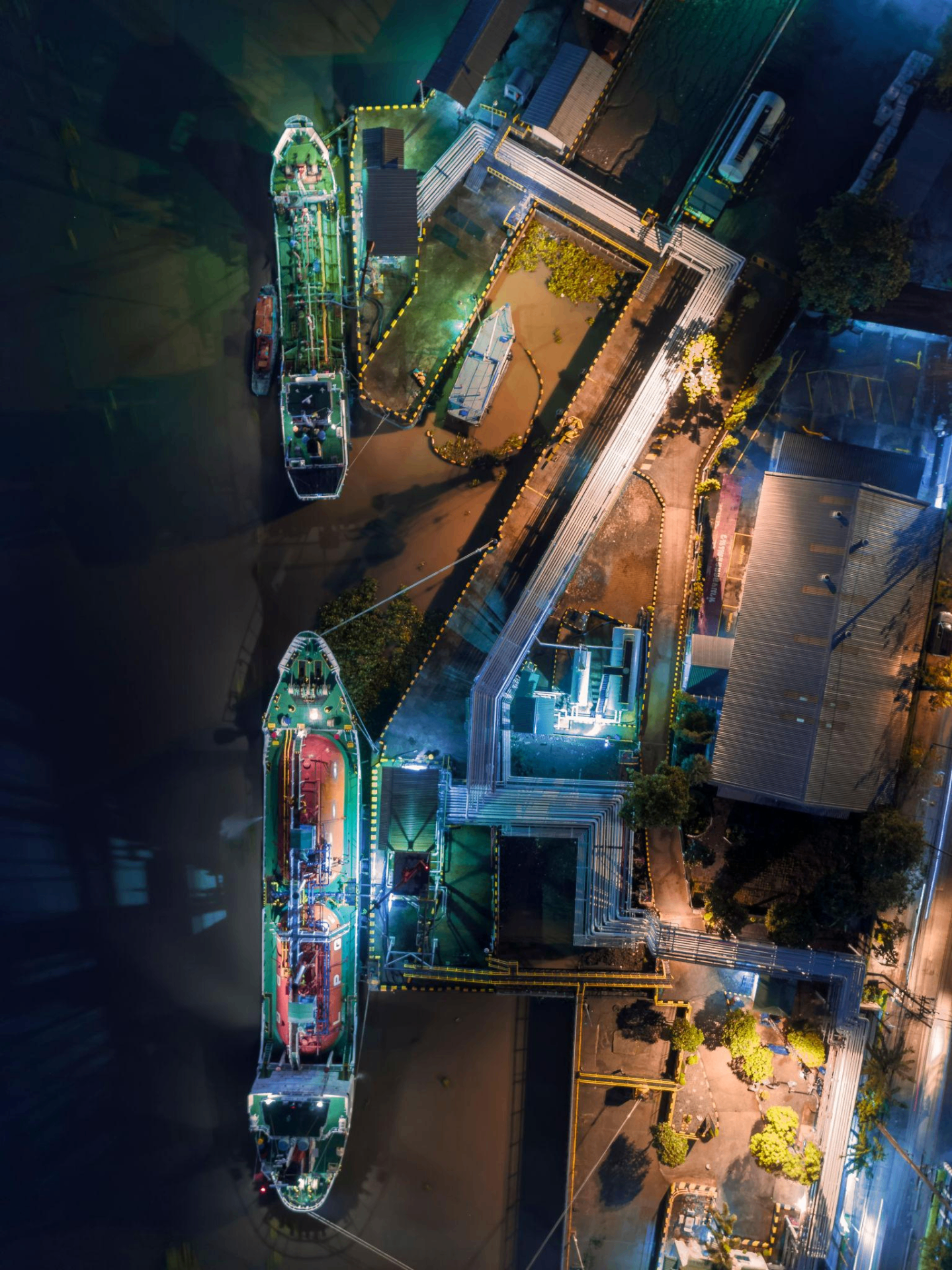
Commodity trading is one of the last industries still running on phone calls, spreadsheets, and personal relationships. That model worked for decades — until it didn't. Today, the firms that win are the ones that move faster, see further, and execute with fewer people. We acquired a 30-year operation and rebuilt its infrastructure from scratch. Here is what is changing — and how we are positioned on the right side of every shift.
1. Intelligent Middle Office
The middle office — LC drafting, contract parsing, counterparty screening, compliance checks, market summaries — has traditionally required 15–25 people at a mid-tier trading house. AI-native desks are now compressing that to a fraction of the headcount. Document generation that took days happens in minutes. Compliance screening that required manual cross-referencing against sanctions lists is now automated and continuous. The result: a lean team that out-executes legacy organisations ten times its size.
2. Supply Intelligence from Space
Satellite imagery and geospatial analytics are transforming how traders read supply before it hits the market. Crop yield estimates, port congestion patterns, and stockpile measurements are now available weeks before traditional data sources reflect them. Traders who integrate this intelligence into their sourcing decisions see supply shocks forming — not reacting to them after the price has already moved.
3. Real-Time Cargo Visibility
Every vessel on the water carries an AIS transponder. That signal — combined with port schedules, weather models, and congestion data — gives modern trading desks a live picture of where every cargo is, when it will arrive, and whether alternative routing is needed. This used to be broker gossip and phone calls. It is now API-accessible data, and the firms that use it have a structural information advantage.
4. Alternative Data for Price Discovery
Weather models, soil moisture readings, fertiliser application rates, smelter electricity consumption, refinery throughput — these are all proxies for supply and demand that were invisible to traders a decade ago. The firms that aggregate and interpret this data are building a fundamentally different pricing model — one based on leading indicators rather than lagging auction results.
5. Compressed Settlement
Trade finance is evolving. Digital documentation, electronic bills of lading, and programmable payment instruments are compressing the settlement cycle from weeks to days. Early adopters benefit from reduced working capital requirements and faster reinvestment of proceeds into the next trade. The efficiency compounds with every cycle.
6. Adaptive Logistics
When a chokepoint closes or freight rates spike, the best-positioned firms are those whose routing adjusts dynamically — not after a three-day internal review, but in real time. Logistics orchestration systems that ingest live data on port availability, vessel position, and rate movements are becoming the new standard for resilient commodity supply chains.
These shifts are not theoretical. They are happening now, and they are irreversible. The question for every buyer, seller, and investor in the commodity space is simple: is your trading partner on the right side of these changes, or still operating the way things worked in 2010?
/0.2
Chokepoint-Independent
Supply Lines
Diversified origins. Pre-cleared alternate routing. Hormuz-independent supply options. When chokepoints close, our supply lines stay open.

Grains
Black Sea and South American origins pre-cleared if Red Sea routing is disrupted.
Fertilizers
North African urea and DAP supply lines independent of Arabian Gulf transit.
Metals
LME-warranted copper and aluminium from non-Asian warehouses, delivered ex-Europe.
Energy
Hormuz-bypass crude and LNG routing via Atlantic Basin and West African suppliers.
/0.3
Why Quantara
Direct from Source
We don't broker — we source directly from producers and manufacturers. Fewer intermediaries means competitive pricing.
Faster Execution
AI-accelerated documentation, digital deal rooms, and automated compliance. 24-hour target from inquiry to term sheet.
Full Transparency
End-to-end supply chain visibility. Digital quality certificates, live vessel tracking, and real-time shipment updates.
Transparent Pricing
Competitive pricing benchmarked against CBOT, LME, Argus, and Platts — ensuring fair, real-time alignment with global markets.
/0.4
What We Trade
Multi-commodity coverage from grains to energy — plus rolling stock & rail assets. Direct access across every vertical.
/0.5
Supply Chain Resilience
Diversified origins. Pre-cleared alternate routing. Hormuz-independent supply options. When chokepoints close, our supply lines stay open.

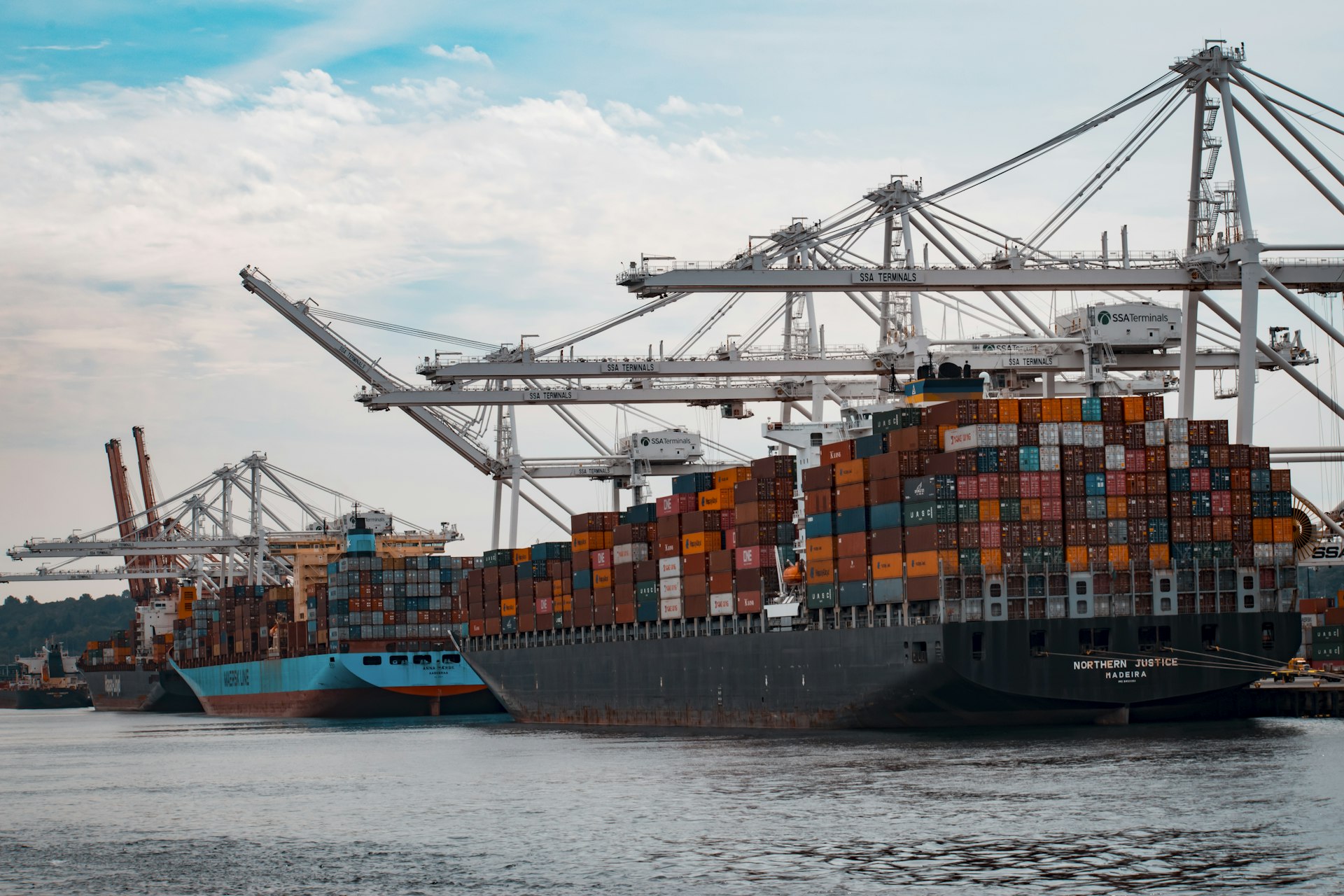
From source to scale. Powered by AI.
Flexible Terms. Global Delivery.
FOB, CIF, CFR. LC at sight, deferred LC, CAD. We adapt to what works for you.